
NOTES ON THERAPY
From bite-sized insights to deep dives on healing, NOTES ON THERAPY is where mind meets meaning.
As therapists, staying informed about mental health is essential. Sharing current research and raising awareness helps to reduce stigma and makes mental health support more accessible and relatable in everyday life. Check out the blog posts below for the latest in psychology and mental health.
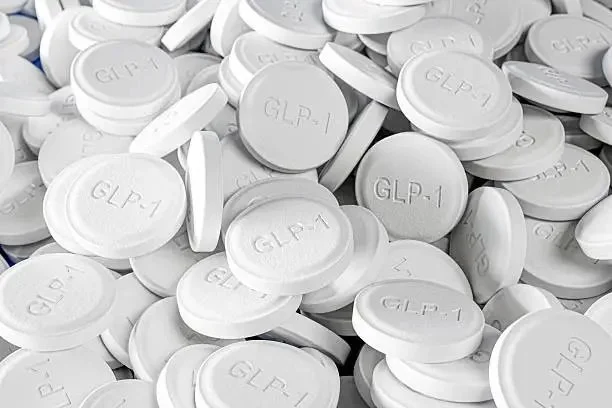
GLP-1 for Addiction
GLP-1 medications have become widely known for their effects on blood sugar, appetite, and weight. More recently, researchers have begun asking a different question: could these medications also affect cravings for alcohol and other substances?
What We Know About Cravings & Recovery
Written by Emma Nagle, LCSW | September 9, 2026
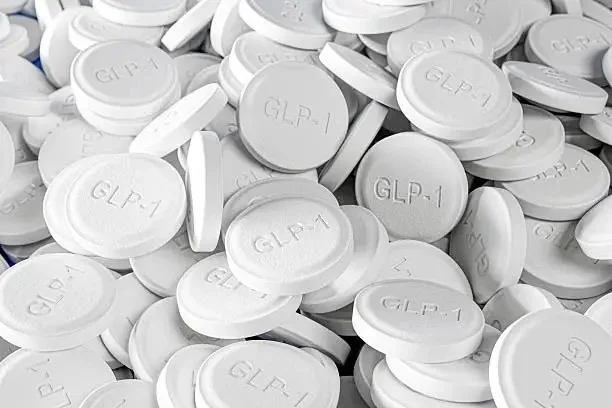
GLP-1 medications like semaglutide (Ozempic, Wegovy) and tirzepatide (Mounjaro, Zepbound) have become widely known for their effects on blood sugar, appetite, and weight. More recently, researchers have begun asking a different question: could these medications also affect cravings for alcohol and other substances?
The idea has gained attention partly because many people taking GLP-1 medications have reported something unexpected: a decrease not only in food cravings, but in cravings for alcohol, nicotine, and other rewarding substances.
There is now early clinical evidence to support some of these observations, particularly around alcohol use disorder (AUD). But it is important to distinguish between a promising area of research and an established addiction treatment. GLP-1 medications are currently approved for diabetes and/or weight management with a few medical providers exploring these medications as an off-label treatment option for substance use disorders (not currently approved by the FDA/insurance companies).

What does a GLP-1 have to do with cravings?
GLP-1 is a hormone involved in regulating appetite, blood sugar, and satiety. GLP-1 receptors are also found in areas of the brain involved in reward and motivation.
Addiction involves more than simply "wanting" a substance. Repeated substance use can strengthen reward pathways and learned associations between a substance and relief, pleasure, escape, or emotional regulation. Researchers are investigating whether GLP-1 medications may influence some of these same reward pathways, potentially reducing the intensity or salience of cravings.
In other words, the medication may quiet some of the noise around reward.
That doesn't mean it eliminates addiction or changes someone's relationship with a substance overnight.
What does the research show?
The evidence is still relatively new, but several human studies are encouraging. Addiction Medicine Physician Dr. Steven Klein has discussed how the powerful gut-brain peptides quiet persistent "food noise" and "drug noise" by directly targeting the mesolimbic dopamine system, which controls the brain’s fundamental reward circuitry.
A 2025 randomized controlled trial of adults with alcohol use disorder found that low-dose semaglutide reduced weekly alcohol craving and reduced some measures of alcohol consumption compared with placebo.
In 2026, researchers published a larger 26-week randomized trial involving people with both alcohol use disorder and obesity. Participants receiving semaglutide alongside cognitive behavioral therapy (CBT) had fewer heavy-drinking days than those receiving placebo alongside therapy.
Another 2026 randomized trial of oral semaglutide found reductions in heavy-drinking days, drinks consumed per drinking occasion, naturalistic alcohol craving, and alcohol-related consequences. Interestingly, the medication did not significantly reduce the study's primary measure of cue-induced craving.
The findings are encouraging, but they don't yet tell us that GLP-1s are an addiction cure. More larger-scale randomized controlled trials research is needed to understand who is most likely to benefit, how long the effects last, and whether GLP-1 medications will ultimately have a role in the treatment of alcohol use disorder.
What about addictions other than alcohol?
Researchers are investigating whether GLP-1 medications might eventually have applications across different substance use disorders because of their effects on reward and motivation. There is interest in nicotine, opioids, stimulants, and even behavioral addictions.
But the evidence is much less developed outside of alcohol, but is growing to include Opioid Use Disorders (OUD). Much of the excitement around these applications currently comes from preclinical research, observational studies, or emerging clinical data rather than established treatment guidelines.
Could reducing cravings actually help recovery?
Potentially. One of the more interesting possibilities isn't that a GLP-1 medication would somehow do the work of recovery, but that reducing the intensity of cravings could create more room for someone to do that work themselves.
Think about the difference between trying to make a thoughtful decision while an urge is consuming your attention and making that same decision when the urge is quieter.
For someone in recovery, less craving could potentially mean more opportunity to use coping skills, attend therapy, reconnect with relationships, build new routines, and experience rewards outside of substance use. In a podcast episode from RECOVERable, Dr. Steven Klein describes the idea that GLP-1s may quiet both "food noise" and "drug noise," explaining the possibility of using that quieter internal state to create room for behavioral change.
Just like other medication assisted treatment (MAT) options, using a GLP-1 in addiction treatment may turn down the volume on cravings without necessarily changing the underlying patterns that made the substance rewarding in the first place. The medication may help with one piece of the puzzle, while the underlying emotional, psychological, and environmental factors contributing to a substance use disorder still require attention.
A few important caveats
GLP-1 medications are not currently FDA-approved treatments for substance use disorders.
They also aren't appropriate for everyone and can have significant side effects and contraindications. Their use for addiction would currently be considered “off-label” and should involve a qualified medical provider who can consider the person's full medical and psychiatric history.
There is also still a lot we don't know. We don't yet know how effective GLP-1s will be across different substances, which people are most likely to benefit, how long any reduction in cravings lasts, or what happens to cravings after someone stops taking the medication.
These are important questions because reducing cravings temporarily is different from creating lasting recovery.
The bigger picture
I find the emerging research around GLP-1s interesting for another reason: it challenges the idea that addiction can be reduced to willpower and treated with the 12-steps or talk therapy. The more we understand addiction as a complex interplay of biological, psychological, and environmental factors, the more important it becomes to approach treatment from multiple angles.
If medications that influence metabolic and reward pathways can also influence substance cravings, it gives us another window into how deeply interconnected the brain, body, and behavior really are.
There is still much to learn, but we can expect to hear more about the potential role of GLP-1s in addiction treatment as research continues to develop. For now, GLP-1 medications are best understood as a promising area of addiction research, not a replacement for the broader work of recovery.
Need Help?
Looking for a therapist to help you navigate substance use or boundary-setting with a loved one who is using? Book a consultation with me here.
For additional substance use support and resources including a treatment locator, visit SAMHSA or the National Helpline: 1-800-662-HELP (4357).
If you’re considering a GLP-1 for weight management, talk with your healthcare provider about whether it’s right for you.
Sources and Further Reading:
Hendershot, C. S., et al. (2025). Once-weekly semaglutide in adults with alcohol use disorder: A randomized clinical trial. JAMA Psychiatry, 82(2), 111–119.
Klausen, M. K., et al. (2026). Once-weekly semaglutide versus placebo in patients with alcohol use disorder and comorbid obesity: A randomized, double-blind, placebo-controlled trial. The Lancet.
Schacht, J. P., et al. (2026). Oral semaglutide for alcohol use disorder: A randomized clinical trial. American Journal of Psychiatry.
McGuire, T. (Host). (2026). Ozempic and cravings: How GLP-1 drugs work for addiction [Podcast episode]. RECOVERable.

The Healing power of novelty
How new experiences support the recovering brain
BONUS: Discover 30 simple ways to invite more novelty into everyday life!
How new experiences support the recovering brain:
Plus 30 simple ways
to invite more novelty into everyday life!
Written by: Emma Nagle, LCSW | August 11, 2026

Novelty is simply the experience of encountering something new, unfamiliar, or different from our usual routines.
It can be as small as taking a different route home or trying a new recipe, or as significant as traveling somewhere you've never been.
Our brains are naturally drawn to novelty. New experiences engage systems involved in attention, motivation, learning, and reward, and research suggests that novelty can enhance dopamine activity and strengthen the encoding of new memories.
This can be particularly meaningful in addiction recovery. When substance use has become a primary source of reward, stimulation, or escape, recovery involves more than removing the substance. It means rediscovering other ways to experience curiosity, pleasure, connection, and engagement. Introducing novelty can help interrupt automatic routines and create opportunities for the brain to learn that reward and fulfillment can come from places beyond drugs and alcohol.
You don't need to overhaul your life to experience the benefits of novelty. Sometimes, a small departure from the familiar is enough to make an ordinary day feel a little different.
30 novelTY ideas:
Tiny changes to the familiar, new experiences, novelty through other people & for recovery…
Take the “scenic” route home.
Try a new coffee shop or bakery(or order one of the specials at your go-to spot).
Rearrange a room or furniture in your home.
Listen to a genre of music you normally skip (Jazz while you cook or country music while you drive!)
Cook a recipe from a different cookbook each week.
Read a book from the store owner’s recommendation.
Add a new product to your morning or evening skincare routine (Think dry brushing or face masks).
Try a Color Walk.
Order something you've never had at a favorite restaurant.
Learn something new with a Master Class.
Take a beginner's class (pottery, drawing, dance, cooking, etc.)
Spend that gift card you’ve been holding onto for 3 years.
Experiment with Air BNB’s “Authentic Things To Do” experiences in your area (sailing, spray painting, food tours etc.).
Use Netflix Roulette choose your next movie or TV show.
Create a Duolingo account and start learning a new language or Chess.
Go to a farmers' market and buy one unfamiliar ingredient.
Get a tarot card reading.
Browse Pinterest for a DIY at-home project (candles, magnets, matchboxes etc.).
Join a club (Book club, community garden, running or cycling club).
Eat a meal outside.
Walk a dog at your local shelter.
Visit the nearest historical site that you’ve never been to before.
Invite friends over for a game night.
Call someone you haven't spoken to in a while.
Have a themed dinner night (Taco Tuesday, Breakfast for Dinner, “Eat the Fridge”).
Relive a childhood wonder activity (climb a tree, rollerskating, finger-painting, pillow fort).
Start a junk journal.
Go on a “treasure hunt” with Geocache.
Volunteer somewhere new.
Try some indoor (or outdoor) gardening with potted plants or herbs.
Novelty doesn't have to mean excitement. The goal isn't to constantly chase bigger or more stimulating experiences. Sometimes novelty is simply giving yourself an opportunity to be curious, engaged, and surprised by something ordinary.

Rethinking Addiction
WHY IT’S NOT ABOUT MORALITY
When we reduce addiction to a question of right or wrong, we miss the pain, the history, and the human beneath it. Here’s why morality can’t explain addiction and what can.
Why It’s Not About Morality
When we reduce addiction to a question of right or wrong, we miss the pain, the history, and the human beneath it. Here’s why morality can’t explain addiction and what can.
Written by Emma Nagle, LCSW } November 10, 2025

Addiction is not a “moral failing” or a reflection of weak character.
It is a complex and multifaceted response to pain, stress, and trauma. Many people who develop substance use disorders are attempting to manage overwhelming emotional states, intrusive memories, or chronic distress that feel intolerable without external relief.
Substances temporarily alter the nervous system, dampening hyperarousal responses, numbing painful emotions, or filling the void created by disconnection and loss.
Over time, these coping mechanisms, though initially adaptive in their intent to reduce suffering, become maladaptive and self-perpetuating as the person increasingly relies on substances to regulate mood and function.
Repeated substance use fundamentally changes brain chemistry, particularly within the reward, motivation, and stress regulation systems. The brain begins to associate substance use with survival, reinforcing cravings and compulsive behaviors even when the individual intellectually understands the harm. This neurobiological conditioning can override logic and willpower, creating a cycle of craving, use, and shame that deepens the sense of helplessness.
By understanding the driving forces and the science behind addiction, treatment can become more integrative. This means programs and providers can address co-occurring mental health conditions simultaneously with therapy and psychotropic medication when necessary. Additionally, treatment can become more individualized. Providers can reach the person suffering by beginning to understand the experiences that led to self-medicating. Treating addiction from the viewpoint of moral failing sends the message to a person addicted that they are of weak character or lack of willpower. This type of messaging can risk causing further shame and emotional pain that perpetuates the cycle of using.
Understanding addiction through a biopsychosocial lens rather than through one of morality, allows for compassion, accountability, and effective treatment that targets the underlying trauma and emotional pain driving the behavior. If you are struggling with substance use or know someone who is, consider: What is this drug treating? This might give you the key to the next step in unlocking how to recover from the cycle of addiction.
If you or a loved one are struggling with addiction, help is available. You can book a consultation call with me here, to see if individual therapy is right for you, or find help and support near you on SAMHSA’s website.

What is recovery dharma?
Recovery Dharma offers an alternative to AA by using Buddhist principles like mindfulness and compassion to support addiction recovery. Learn how this community takes a different path toward healing and self-awareness.
Recovery Dharma applies Buddhist principles directly to addiction recovery.
Written by Emma Nagle, LCSW | September, 29, 2025

For nearly a century, Alcoholics Anonymous and its 12-step philosophy have dominated the landscape of addiction recovery. Its influence is so widespread that for many, it’s the only social support model they’ve ever been offered. But as conversations around mental health, trauma, spirituality and neurodiversity deepen, so too does a growing recognition that recovery isn’t one-size-fits-all. Out of disillusionment and growing awareness of just how diverse the population affected by addiction truly is, alternative secular mutual support organizations like SMART Recovery, which focuses on Cognitive-Behavioral Therapy based skills and in the 2010’s, Refuge Recovery, a Buddhist-based community, began to develop. What follows is an exploration of Recovery Dharma — how Buddhist teachings on suffering, impermanence, and compassion can offer a radically different approach to healing. We’ll consider how it stands alongside traditions like AA, while carving out its own space for those seeking a path less tethered to faith. Along the way, you’ll find glimpses of what meetings feel like and where to turn if you sense this might be a community for you.
Buddhism offers a more flexible pathway to spiritual healing that does not involve “defects of character,” and instead proposes that: Suffering is part of life, but through awareness, ethical living, and mindful presence, we can reduce suffering and cultivate freedom. At its core, Buddhism teaches that craving, attachment, and aversion are the roots of suffering and that liberation comes from seeing these clearly, responding with compassion, and living with intention. This concept of suffering resonates for many stuck in the cycle of addiction and has since become a fully-formed addiction recovery program with a growing community.
Before discussing the Buddhist-based approach to recovery in detail, it is important to note the rupture that occurred within Refuge Recovery in 2018 following allegations made against the founder of the program Noah Levine, that led to a significant portion of the community breaking away and intentionally forming a separate leaderless, peer-governed organization. This new non-hierarchical organization was designed to be non-charismatic and rooted in shared wisdom rather than individual authority and became known as Recovery Dharma.
So, What is Recovery Dharma?
Recovery Dharma is a peer-led movement and community that is founded on the trust in the potential for all to recover and find freedom from the suffering of addiction. Recovery Dharma offers a path to healing that blends ancient Buddhist principles with the lived experience of addiction recovery.
In this community, Buddhist teachings, known as the Dharma, are applied to addiction recovery in an effort to live a life of true freedom and emphasizes personal agency and empowerment over powerlessness seen in the 12-step approach. Recovery Dharma sees addiction as a form of suffering rooted in craving and disconnection. The practices and principles used are applicable for all types of addictions (alcohol, drugs, process addictions) and really any repetitive or habitual behavior that is causing suffering.
The path to healing involves mindfulness, self-inquiry, and community support, not shame, willpower or moral judgment. A commitment to abstinence or thoughtful boundaries* with the behavior are asked for to allow for awareness of the relationship to the behavior and any other harmful behaviors to become apparent. The Recovery Dharma (2023) book states, “Recovery is a lifelong, holistic process of peeling back layers of habits and conditioned behaviors to find our own potential for awakening.” While on the path to healing expect to commit to deepening your understanding of the Four Noble Truths and to practicing the Eightfold Path (the core texts that guide the community in RD) in daily life.
*Thoughtful boundaries may be required when abstinence is not possible or probable such as in the case with food and sex addiction.
The belief is that through practices like meditation, honest reflection, and ethical living, people can learn to face discomfort rather than escape it. Recovery Dharma describes this as a philosophy and a plan of action - all found in the Eightfold Path. The investigation of one’s mind through a meditation practice is a major component of the work and encouraged to be practice in and outside of meetings. Below you’ll find an introduction to the teachings that are the foundation of the program.
“Recovery is rooted in finding our own
inner wisdom & individual journeys.”
The Four noble truths
The Four Noble Truths, lessons from the Buddha about the cycle of existence, are at the heart of the Dharma.
These four truths below, and the corresponding commitments, are the foundation of the Recovery Dharma program:
There is suffering.
We commit to understanding the truth of suffering.
There is a cause of suffering.
We commit to understanding that craving leads to suffering.
There is a way of ending suffering.
We commit to understanding and experiencing that less craving leads to less suffering.
There is a path that leads to ending suffering.
We commit to cultivating the path.
Similar to “working the steps” in Alcoholics Anonymous, The Four Noble Truths in Recovery Dharma are explored through writing and sharing in-depth, detailed inquiries found in the book. These can be worked on with the guidance of a mentor or therapist, in partnership with a trusted friend, or with a peer group. An Inquiry Circle are small closed groups who meet weekly with the goal of completing their inventories. The fourth noble truth tells us that there is a way to end suffering by following the Eightfold Path, listed below:
THE Eightfold path
Wise Understanding
Wise Intention
Wise Speech
Wise Action
Wise Livelihood
Wise Effort
Wise Mindfulness
Wise Concentration
The Eightfold Path is a way of life that is followed and practiced to the best of one’s understanding and capacity. In other words, how this practice will be interpreted is up to you. The Path can serve as both a religious and non-religious journey.
Rather than labeling people as “addicts,” and contrary to most well-known mutual support organizations available, Recovery Dharma emphasizes impermanence, non-identification, and the belief that everyone has the capacity to wake up and change. The Recovery Dharma text encourages the customization of one’s recovery course - a refreshing take on healing for many who have felt out of place in the framework of stricter programs.
Powerlessness is a key component of common recovery work, where personal weakness is highlighted, and reliance on external willpower and higher powers is valued. Recovery Dharma's view on powerlessness is nuanced: it's not about personal weakness, but about a profound understanding of craving and attachment as the root of suffering, as taught in Buddhist principles. By acknowledging this powerlessness over addiction's grip, individuals are encouraged to engage in the process of letting go of attachments, using mindfulness and meditation to develop inner strength and find freedom, rather than relying on external willpower or higher powers.
One of the aspects that makes Recovery Dharma distinct is that it does not require members to adopt Buddhist beliefs or any religious framework. While the program draws inspiration from Buddhist principles like mindfulness and compassion, participation is not tied to faith or doctrine. This stands in contrast to 12-step programs such as AA, where the language of “God” and prayer are woven into the structure of meetings. Even with the flexibility to interpret “God” more loosely like “Good Orderly Direction,” for example, many people find the faith-based tone and higher power concept to be alienating. Recovery Dharma offers a different path: one grounded in meditation, self-inquiry, and community support, without the need for prayer or spiritual hierarchy.
What to Expect at a Recovery Dharma Meeting
A typical Recovery Dharma meeting begins with a guided meditation (15-20 minutes), followed by a reading from the Recovery Dharma text, and then group discussion or sharing. Participants reflect on how the reading or meditation connects to their own recovery, though speaking is always optional. Listening is equally valued. Meetings are peer-led, welcoming, and emphasize confidentiality. Like most mutual support meetings, formats vary (book study, open sharing, or meditation-focused), but all offer a supportive space to practice mindfulness, explore cravings and emotions, and connect with others on a similar path. The meeting ends with a closing reading or ritual, often a “Dedication of Merit.” This is a way to conclude together, expressing goodwill or positive intention. RD offers meetings (sangha groups) online and in-person, however the abundance of meetings in your area may be limited due to the fact that the community is still growing in popularity.
“Recovery means empowerment and we support
each other as partners walking the path together.”
Expanding the Path
Recovery Dharma has grown because so many people struggled to feel at home in traditional mutual support groups. For those who did not connect with prayer, faith-based language, or the idea of surrendering to a higher power, the path forward often felt limited. Out of this need came a community that centers mindfulness, compassion, and personal responsibility. The rise of Recovery Dharma is a reminder that there is no single blueprint for recovery. People need different kinds of spaces to heal, and for many, meditation and Buddhist-inspired practices offer a grounding, non-dogmatic alternative. At its best, Recovery Dharma is not just a program, but a movement. One that expands the landscape of recovery so more people can find a place where they truly belong.
Recovery Dharma reminds us that healing can be both personal and communal. That recovery is not about adhering to a rigid framework, but about finding practices that allow for curiosity, connection, and self-compassion. Whether through meditation, shared wisdom, or the supportive presence of others on the same path, this approach provides space for those who seek recovery without the overlay of religious language or belief systems. At its heart, Recovery Dharma offers not just freedom from addiction, but the possibility of living with greater clarity, balance, and meaning.

NO MUD,
no lotus.
Want to Learn More?
Read the Recovery Dharma book here.
Find a meeting here.
Listen to meditation audio recordings or read meditation scripts here.
Need a different kind of addiction support? Call 1-877-8-HOPENY (467369)
Have a loved one struggling with substance use? Check out this article: How To Support a Loved One With Addiction.