
NOTES ON THERAPY
From bite-sized insights to deep dives on healing, NOTES ON THERAPY is where mind meets meaning.
As therapists, staying informed about mental health is essential. Sharing current research and raising awareness helps to reduce stigma and makes mental health support more accessible and relatable in everyday life. Check out the blog posts below for the latest in psychology and mental health.
Think You’re a Workaholic?
READ THIS.
Overworking isn’t always about loving your job, being work obsessed, lacking discipline, or being “bad at balance.” For many people, it’s a psychological strategy that once made a lot of sense.
READ THIS.
Written by Emma Nagle, LCSW | February 16, 2026
If you’ve ever told yourself…
“I just need to set better boundaries,” or, “Once this busy season ends, I’ll slow down,”
or even, “I don’t actually want to work this much, I just can’t seem to stop,” you’re not alone.
Here’s the part that often gets missed:
Overworking isn’t always about loving your job, being work obsessed, lacking discipline, or being “bad at balance.”
For many people, it’s a psychological strategy that once made a lot of sense.
Let’s talk about why.
When Work Becomes More Than Work
For some people, work slowly turns into the place where they feel safest, most competent, or most anchored. Not because work is inherently soothing, but because it’s predictable in a way relationships and emotions often aren’t.
From a psychodynamic and attachment lens, this often shows up when love, safety, or approval felt conditional earlier in life. Conditional love doesn’t have to be explicit. There can be a subtle, but clear reinforcement of messaging that affection is earned through performance, rather than freely given. This messaging can also be conveyed when love or support is withdrawn as a result of mistakes.
Many can learn that being capable, responsible, or impressive became the way to stay connected. It is a strong reinforcer when competence is rewarded more consistently than emotional needs are met.
In these environments, working hard isn’t just productive, it’s protective.
Work as Regulation and Protection
Many over-workers don’t realize that work is doing two important jobs at once.
First, it regulates the nervous system. The urgency, structure, and momentum of work can create a sense of focus or relief especially for people who struggle with unstructured time, rest, or emotional stillness.
Second, it protects against vulnerability.
Work becomes:
A space where expectations feel clearer than relationships
A way to avoid the discomfort of needing, wanting, or depending on others
A reliable source of identity when the sense of self feels shaky or undefined
Seen from this lens, perfectionism isn’t about ambition, it’s about threat management.
“Why Can’t I Just Say No?”
Difficulty setting boundaries at work is often framed as an assertiveness issue. But underneath, it’s frequently driven by deeper fears, like:
Fear of relational rupture or disappointment
Fear of being exposed as inadequate or replaceable
Fear that slowing down will uncover emptiness, anxiety, or distress
For many people, rest isn’t neutral. It’s activating and staying busy becomes the way to outrun what might surface otherwise. This is why overworking often continues even when someone wants to stop or is actively fantasizing about quitting, changing careers, or finally “doing things differently.” The Burnout Loop offers a deeper dive on the nervous system regulation aspects of overworking.
It’s Not Just One Thing
There are often multiple layers at play. Some people have personality traits that reinforce overworking, such as: high responsibility, rigid standards, harsh self-criticism and difficulty delegating or letting things be “good enough.”
Others may have neurodivergent tendencies that make work feel especially regulating, relying on external structure, clear rules, or completion to feel grounded.
An important early distinction is this:
Are you driven by fear of consequences if you slow down?
Or by a sense of relief and safety when things are controlled and complete?
That difference matters.

When Burnout Finally Shows Up
Burnout often isn’t a failure, it’s a signal… a warning sign.
It tends to emerge when the body can no longer sustain a strategy that once worked. When sympathetic activation (that constant “on” mode) stops feeling motivating and starts feeling depleting.
If you notice impatience with yourself outside of work, difficulty resting without self-criticism, or guilt when you’re not “productive,” it may point to something deeper than stress alone.
So What Actually Helps?
Change doesn’t usually come from forcing better habits or shaming yourself into balance. It comes from understanding the function of overworking itself. Ask yourself:
What work has been doing for you?
What feels risky about slowing down?
What parts of you learned that productivity = safety or worth?
Only then does boundary-setting stop feeling like a threat or an avoidance, and start feeling possible and healing.
If any of this resonates, you’re not lacking in any way. You don’t just need to put in a few extra hours after your shift or a monthly “self-care” massage (read Real Self Care by Dr. Pooja Lakshmin for more guidance on that!) You adapted for survival. With the right support, you can learn new ways of feeling safe that don’t require burning yourself out to begin resting.

The Burnout Loop
When Stress Feels Safer Than Stillness.
When stress feels safer than stillness.
Written by Emma Nagle, LCSW | April 8, 2025

If you’re a New Yorker or a high-performing professional, burnout might feel like a default setting. You’re used to pushing through long days, jumping from meeting to meeting, squeezing in workouts, social events, working while you eat, deadlines and somehow, still feeling behind.
But burnout isn’t just being tired. It’s your nervous system waving the white flag while also establishing a vicious cycle.
Many of my clients describe the same cycle: they finally take a break, only to find themselves anxious, restless, or making impulsive choices they later regret. They book a weekend off and immediately fill it with social plans or long overdue chores. They try to relax, but end up doom-scrolling, working late, or obsessively checking their inbox. Substance use is a common technique for the chronically stressed to “unwind.”
Jeopardizing your free time isn’t self-sabotage, it’s your nervous system mistaking rest for danger.
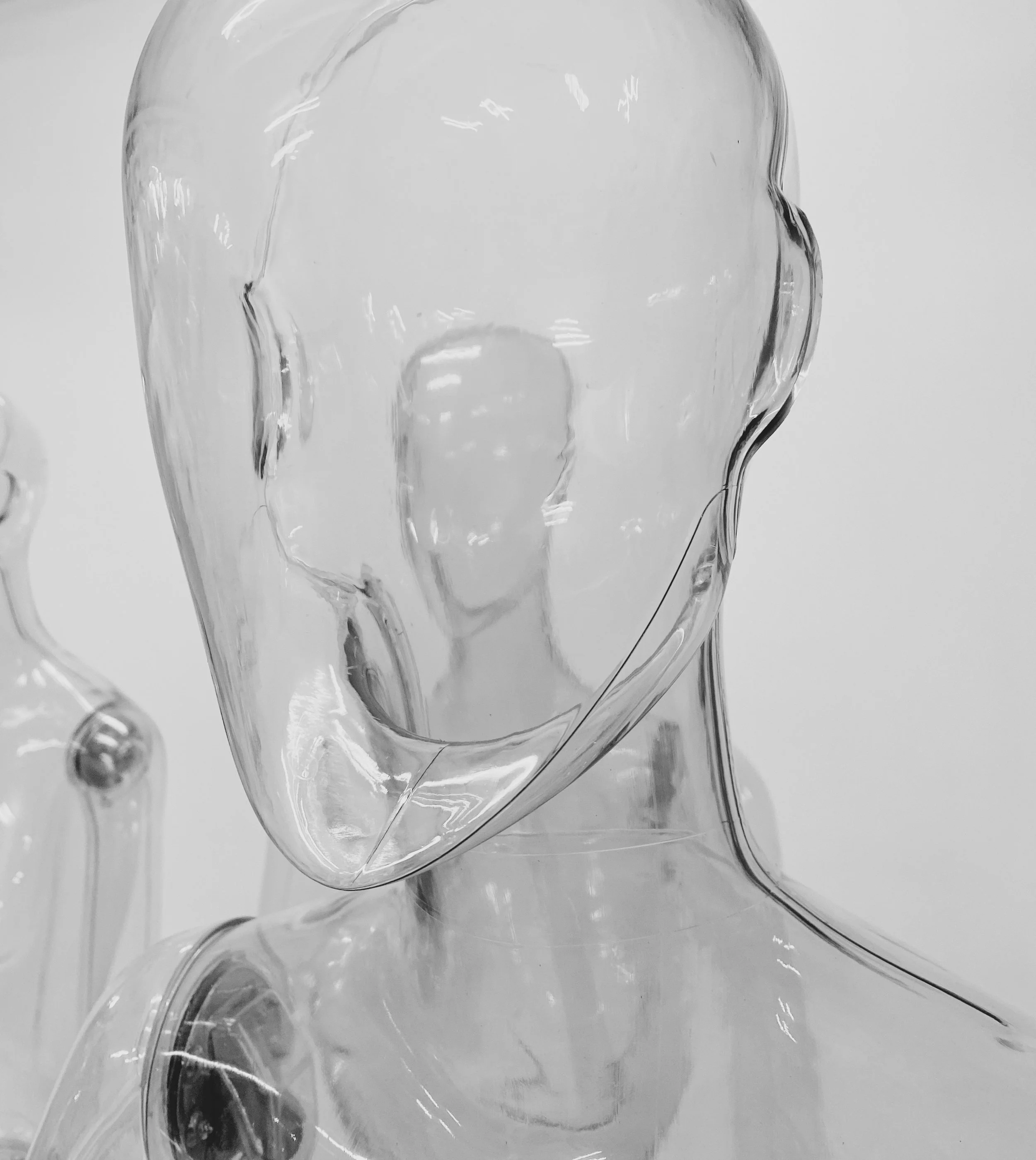
When your body has adapted to constant stress, stillness can feel unfamiliar and sometimes, even threatening. This is a state where burnout, a form of exhaustion caused by prolonged stress, leads to individuals feeling like a shadow or a shell of their former self - drained of vitality and joy.
When you are this drained, finding the motivation to make healthy choices to get out of the stress cycle might feel nearly impossible.
Consider the following questions:
Even though you feel drained, is there a part of you that’s more comfortable in chaos than in calm?
Is this part unclear on who you are without being busy, needed, or productive?
Does this part panic when things slow down, and unconsciously create stress to get back to what feels “normal?”
Is this part fixated on what’s coming next and is it louder than the part that is begging for a break?
If you’ve spent years running on adrenaline, your nervous system wires itself around urgency. When things finally get quiet, your brain might send out an internal alarm: Something’s wrong. This is too quiet. Too still. Too unsafe. You may find yourself resisting rest.
Why does this happen?
High levels of stress lead to surges of dopamine, triggered by a sense of urgency, survival and staying ahead. Resting equates to low levels of dopamine, often leading to feelings of boredom and emotional discomfort.
New York City is known as the “city that never sleeps.” New York is also a city that rewards the hustle culture and overworking becomes a form of identity. The dopamine hits of deadlines, crises, and constant movement keep us going.
If you’ve experienced trauma, instability, or constant performance pressure, your brain may not associate safety with peace but instead, with doing, fixing, and staying on guard. Some may consciously fear how trauma will rise up if they actively slow themselves or their lives down.
How can we begin to heal?
You may want off the rollercoaster ride, but you can’t white-knuckle your way into rest. You have to teach your nervous system that stillness is safe.
Here are some tips on how to do just that:
Start with micro-rest
Begin with 30 seconds of stillness. Let your body get used to the idea of not being “on.” You can gradually build on this.
Add gentle stimulation
Stillness doesn’t have to be silence. Try rhythmic breathing, rocking, soft music, or background noise that soothes instead of overstimulates (i.e. nature sounds, lo-fi music, binaural beats, classical music).
Find dopamine through safe novelty
Instead of chaos, engage in small, low-stakes pleasures: new music, trying a scenic route home, creative hobbies and activities (i.e. at-home pottery kits, fantasy novels), or solo dates.
Get curious, not critical
Ask yourself: What has stress been giving me?What is its function? Control? Identity? Validation? Then explore new ways to meet those needs without burning yourself out.
Your nervous system deserves to know that peace isn’t dangerous, and your worth isn’t measured by how much you do (looking at you, New Yorkers). Burnout recovery isn’t just about doing less—it’s about learning how to feel safe in stillness. Talk to your therapist further about how to take steps to recover from the burnout loop.